|
Soft Ice is becoming a beautiful piece, and sometimes I worry that you would think it’s just about beauty. But it’s not. It’s about freedom, for me. Fixed form melting into fluid movement.
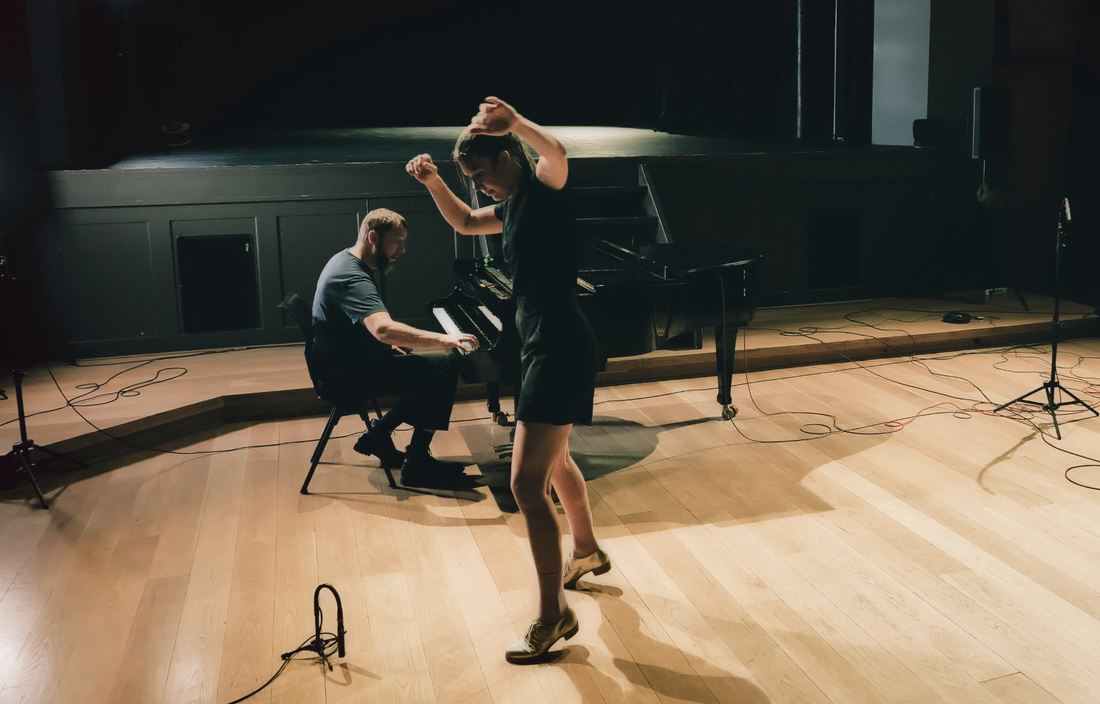
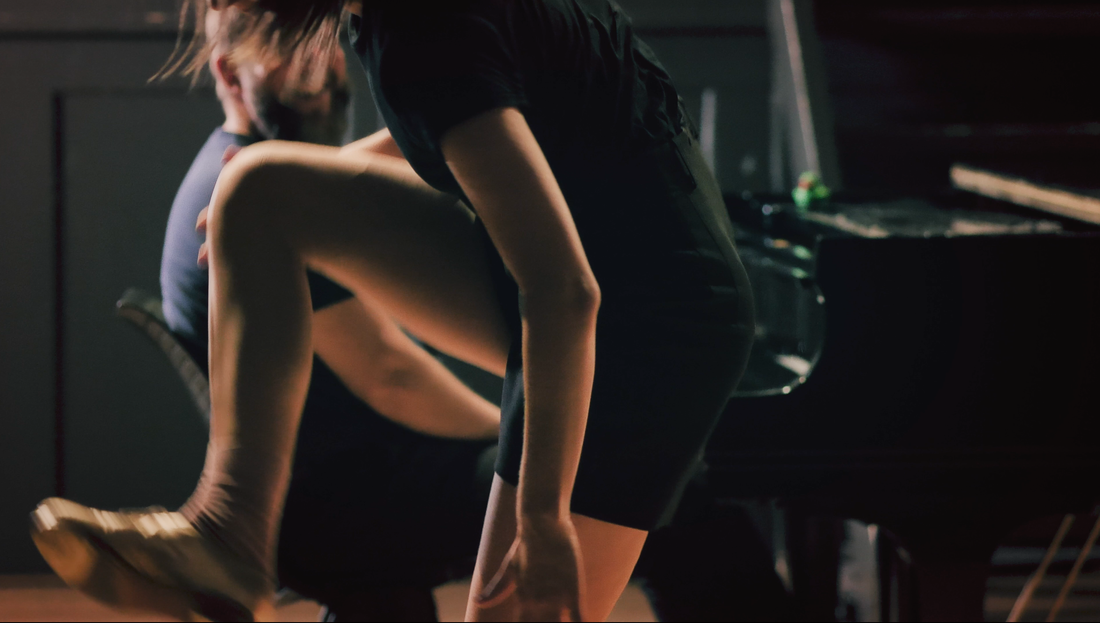
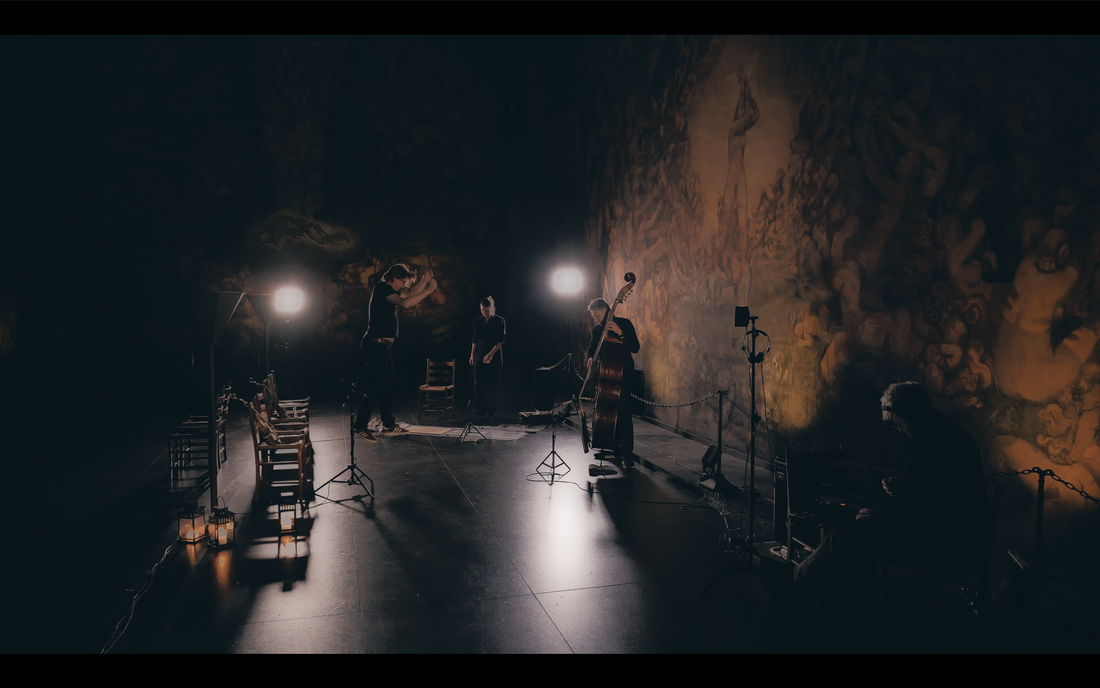
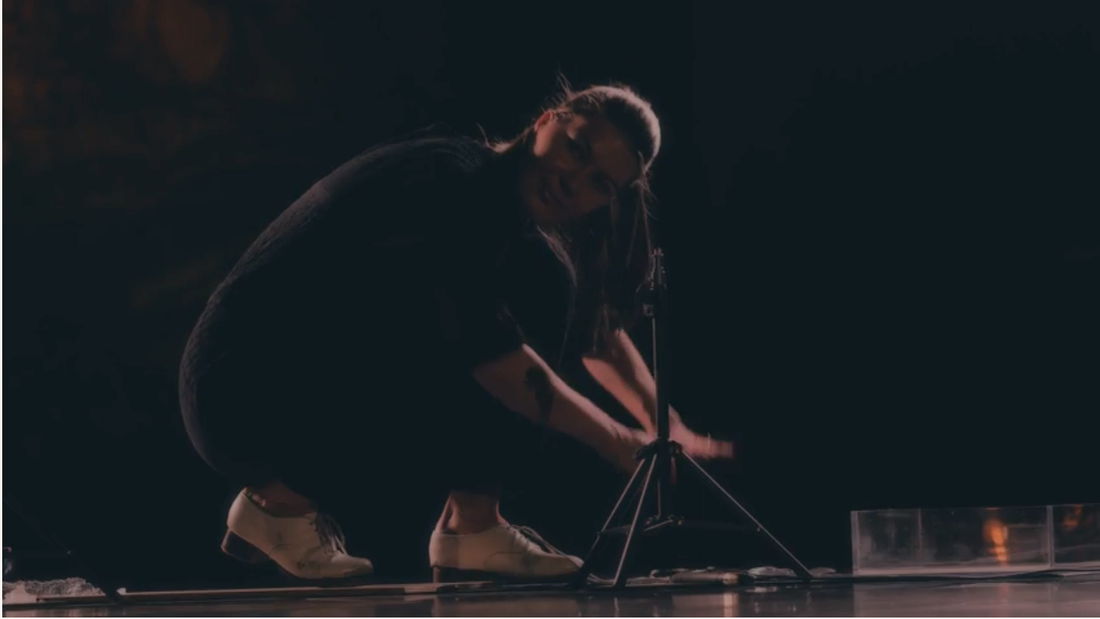
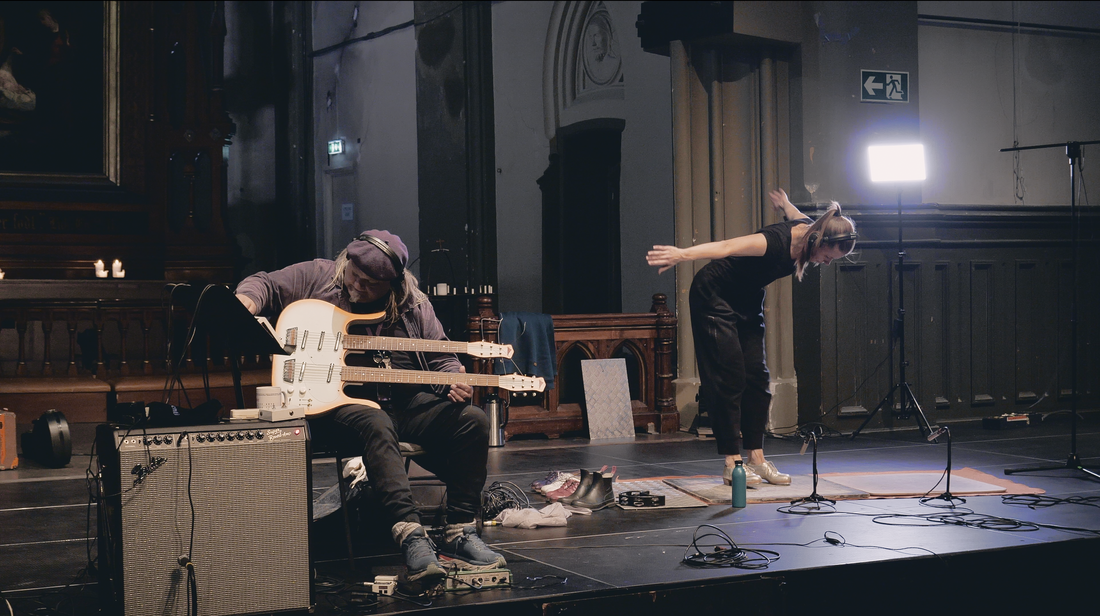
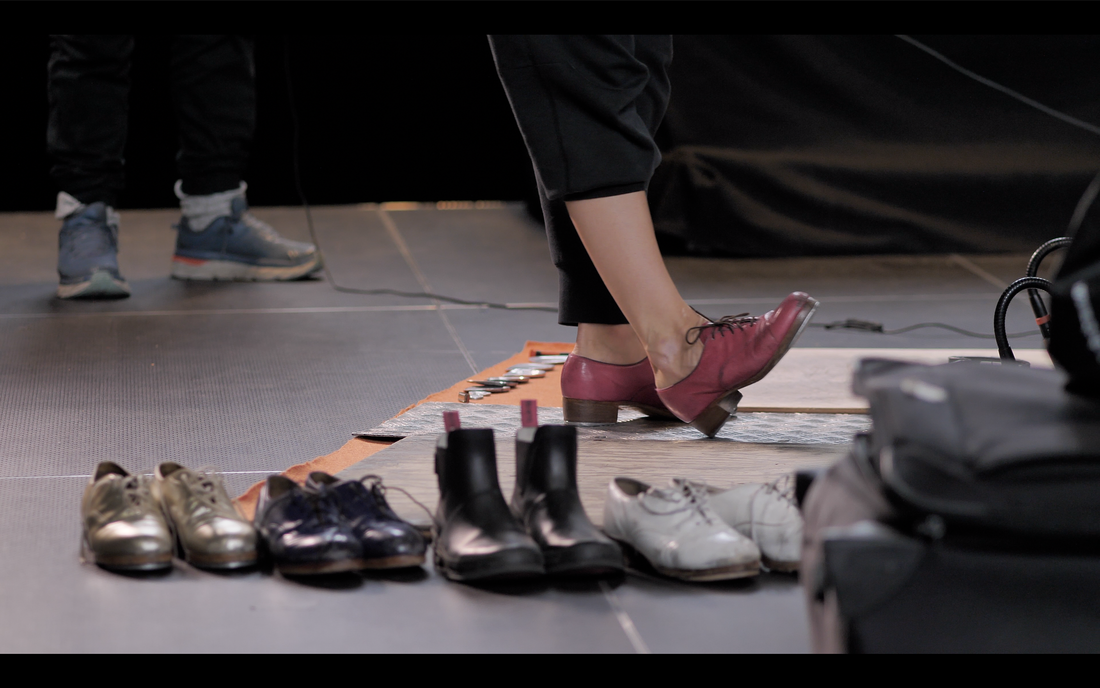
If you have ever felt how your body relates to the ground when you’re skiing, skating or snowboarding, you know about the speed and flow that comes from gliding over ice and snow. I’ve spent many many years practicing my tap technique to try to minimize my contact with the floor, and to have the most immediate weight change possible. But tap dance also has a lot of sliding and scraping vocabulary. And it so happens that the sound of metal gliding over wood sounds a bit like snow and ice. I love these sounds and textures. And then it turns out that there are endless possibilities in both sound and movement when you stay in touch with the floor. And there’s a whole set of new techniques to be learned. Skiing over the snow in the mountains also makes for many different types of sounds and movements. This time, at the cabin, temperatures varied from -8 to -20, and there was old snow, new snow and a frozen lake. The most exciting sound is when you move over the ice and it makes a big, cracking sound when sinks a little bit. Then there’s the hard sound of the icy snow, and the very soft, even sound of the powder snow. There’s a inherent groove and rhythm to all of these snowy activities. Cross country skiing has an even pulse, or can have a sort of shuffle rhythm when you use faster techniques. Down hill skiing has breaking curves that sound smooth or rough depending on the snow and the speed. Skating has sharp sounds combined with silent gliding, in rhythms that depend on the figure that you’re making. And all of these produce cursive patterns and luscious lines. When I tap dance, it’s mostly for the music of it. I want to be able to play grooves and rhythms however I want, right there and then. I need to listen deeply to what’s happening, and my body does whatever it needs to do in service of the sound. So much, that it sometimes traps my body. Some years ago, I was back in New York and took a class with Oliver Steele. He is the absolute master of luscious, 3 dimensional movement, with several axis points around which different bodyparts are swirling. I hadn’t been training with him for years, so I felt like someone had put me in the laundry machine. But for the first time I also perceived all of the movements as sound. Meaning, from orienting myself around the sound I was making on the floor, I now heard the sounds of the movements in the air. In Soft Ice this sensation is now spreading out to the whole room. Not only down where the feet are, but through the whole body, through space. Socks make it possible to slide even longer. And I still hear the rhythms. To me, this is playtime! This is unlimited. This is some kind of liberation. Similar to how it feels to snowboard down a fresh hill with powder snow. Dot and Line become cursive writing. Perpendicular balance becomes diagonal fall. Hard melts to soft.
0 Comments
For practical reasons I'm collecting links to all the videos and music here.
See here for all the full videos of all the recordings. See here for all the teasers. See here for all the time lapse videos of the art work. See here for the videos of the release concert. The music can be found on all streaming platforms, like: Bandcamp Spotify
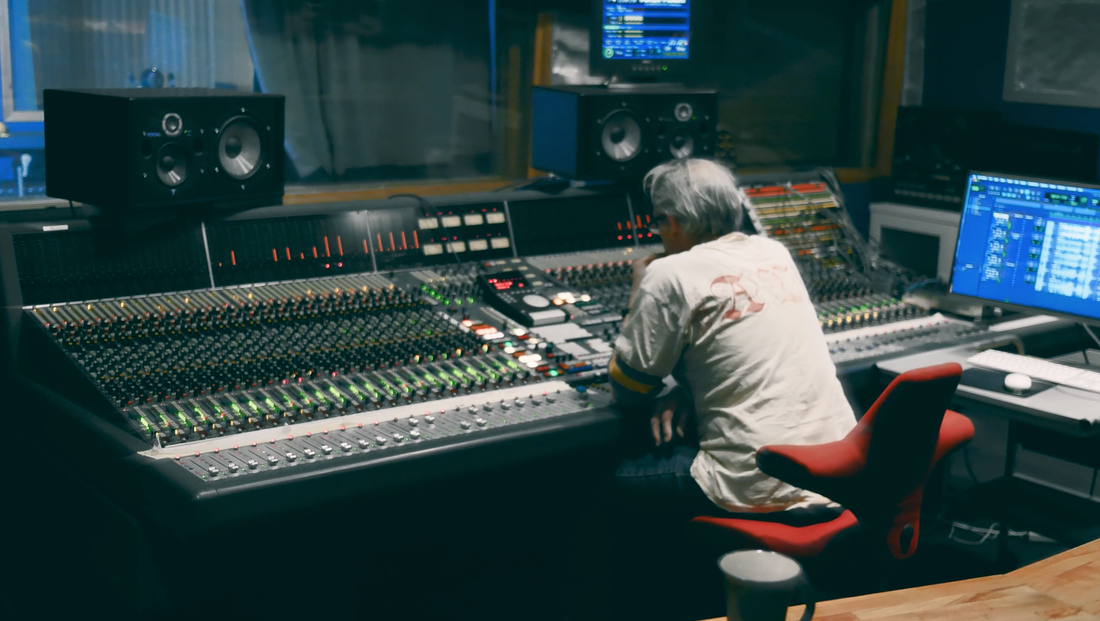
In the week of mixing and mastering at Strype Audio I got so used to listening to the music on a great sound system that I started to assume that this was normal. But then, when I came home and played the same tracks on my Harman Kardon bluetooth speaker I was shocked how different the music sounded. It seemed like half the tap sounds were not coming through at all, and the ones that were had much less texture, tonality and clarity than I had gotten used to. Similarly, some of the musicians in the project had heard the recorded music on their phone speakers or on other equipment and were positively surprised how much better it sounded in the studio when we heard it over Strypes speakers.
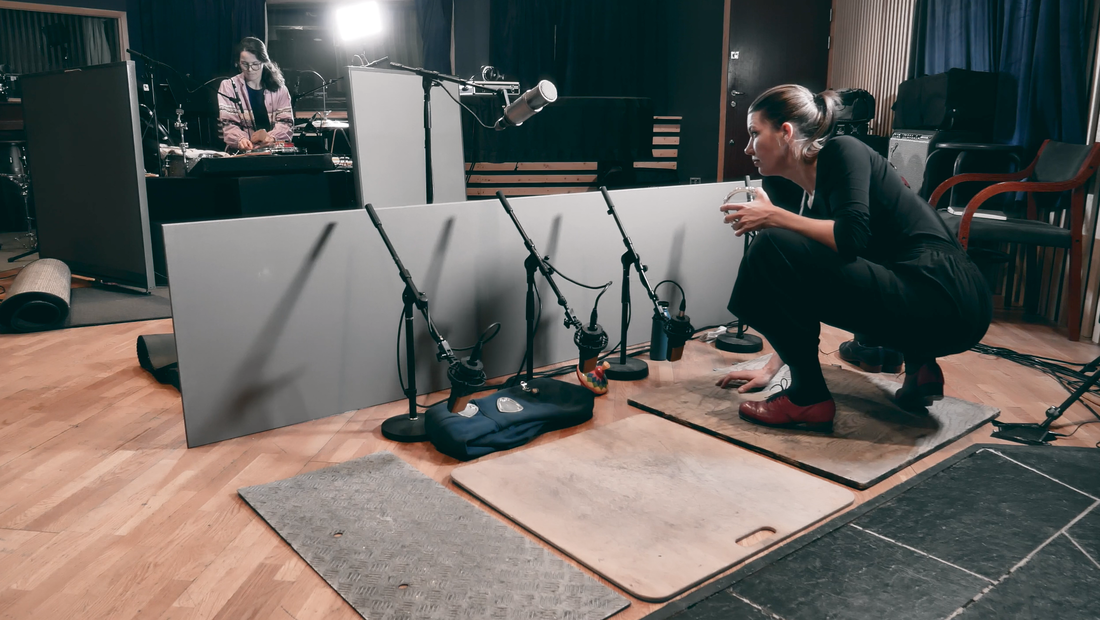
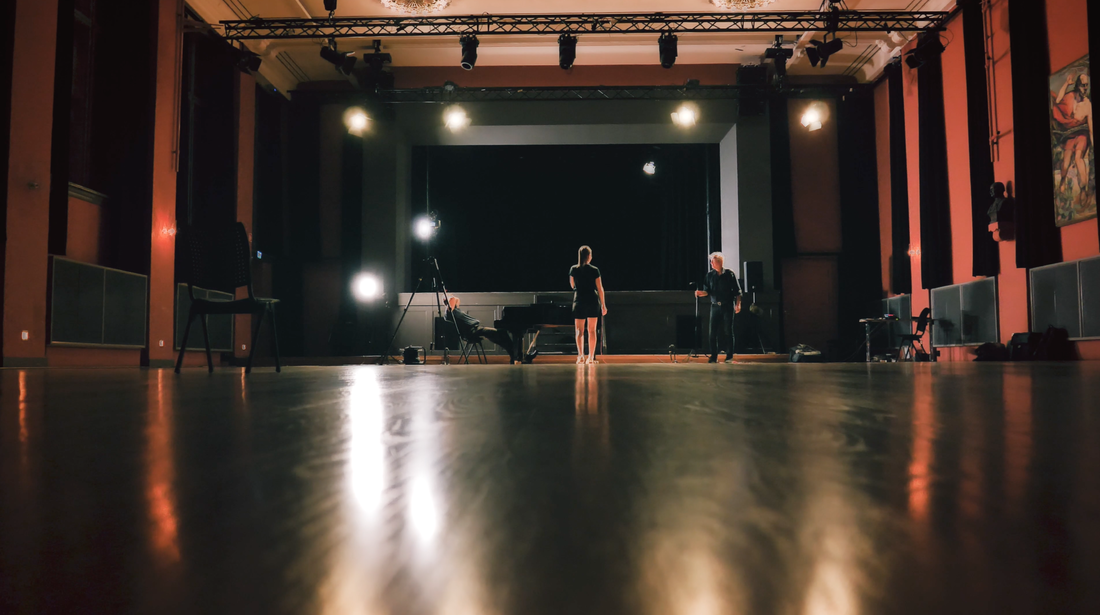
Of course we know that there are good and bad quality sound systems. But when we listen to music we already know, and instruments we already know, we can sort of filter the bad sound and know what it really sounds like, approximately. But the tap sound is not a sound that most people know as anything more than click clacks and noise. So, when they listen to a recording with tap and guitar on a bad speaker, and the tap sound is bad, they don’t even know that that is the case. To paraphrase David Lynch: “People watch a movie on their phone and think they have experienced the film, but sadly that’s not the case at all!” Now this project is all about making the effort, spending much time and money, and working with experts, to make recordings that do the tap sound justice. All aspects are considered and used to the maximum potential: What does the tap dance sound contribute in each specific collaboration and what does that mean for my tap dance vocabulary, musical role and rhythmical responsibility, how do we use the specific location and sound of the room as well as possible, which microphones, boards, shoes work best, and then how is it mixed and mastered in the studio? Each recording session was also filmed, and the documentary videos will be available after the vinyl is released. In the meantime very short teaser videos will hopefully make people want to go in and listen to the digital singles that are released online beforehand. It’s a very conscious decision to not release the videos of the recordings at the same time as the singles, because I want people to listen to the music before they see it. All of this to make it possible to really hear the tap dance, to perceive it as a part of the complete music. So, please, let yourself experience the music, in all its range and complexity, by listening to it on a better sound system or headphones! |


RSS Feed